The $12,000/Year Question: What If You Didn't Need Ozempic?
Ozempic costs $1,000/month with no end date. Discover the French lifestyle approach that naturally controls appetite for free — no needles, no nausea, no co-pay.
 By Marion ·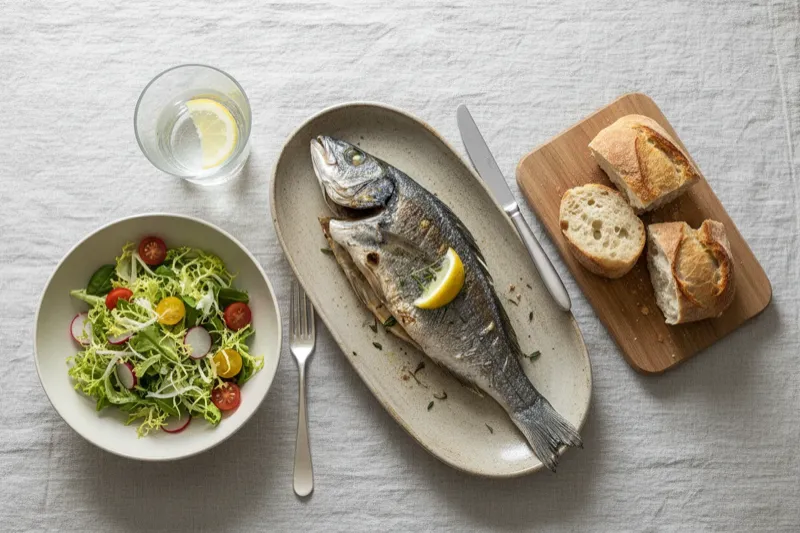
Medical Disclaimer
This content is for educational purposes only and is not medical advice. Ozempic (semaglutide) is a prescription medication. Consult your healthcare provider before making any changes to your medication or diet.
A cheaper alternative to Ozempic isn’t another drug. It isn’t a supplement, a compounding pharmacy hack, or a Canadian prescription workaround. It’s a way of living that 67 million French women practice every single day — and it costs nothing. If you’re spending $1,000 a month on semaglutide injections, or trying to figure out how to afford them, I want to show you what I grew up with in France. You can explore the full French alternative to Ozempic here.
The Real Cost of Ozempic (It’s More Than the Price Tag)
Let me be honest with you — I’m not a doctor. I’m a French woman who grew up watching her grandmother eat butter, bread, and cheese every day and stay slim into her eighties. But I can do math.
Here is what Ozempic actually costs:
- Without insurance: $935 to $1,349 per month (Novo Nordisk list price)
- With insurance: $25 to $500 per month in co-pays, depending on your plan
- At Walmart without insurance: Around $1,100 per 30-day supply
- Through savings programs: $25/month if you qualify (most don’t after the first fill)
And here is the part nobody talks about: there is no end date. Ozempic is not a course of antibiotics you take for ten days. The moment you stop, the weight comes back. A 2023 study in Diabetes, Obesity and Metabolism found that patients regained two-thirds of lost weight within a year of discontinuation.
So $12,000 per year isn’t really the question. The question is: $12,000 per year for how many years?
Five years of Ozempic: $60,000. Ten years: $120,000. And that’s before we count the co-pays for managing side effects — the gastroenterologist visits for gastroparesis, the dermatologist for “Ozempic face,” the therapist for the emotional flatness many women report.
I Understand Why You’re Looking
Before I say another word, I want you to know — I am not here to judge anyone who takes Ozempic. If your doctor prescribed it and it’s working for you, that is your choice and it’s a valid one.
But I hear from so many women who feel trapped. They started Ozempic because nothing else was working. Now they’re terrified of stopping because they know the weight will return. And every month, that $1,000 charge feels heavier than the weight they lost.
One woman wrote to me: “I feel like I’m paying rent on my own body. If I stop paying, I get evicted.”
That broke my heart. Because in France, we never pay rent on our bodies. We simply live in them.
What French Women Spend on “Weight Management”
I grew up in Lyon, a city famous for its food. My mother never bought a diet book. She never joined a program. She never took a supplement or a medication for her weight.
Here is what she spent on “weight management”:
- Vegetables from the market: about what you’d spend at a grocery store
- Good bread from the boulangerie: $1.20 per baguette
- Walking shoes: replaced every few years
- Time eating lunch: one hour, sitting down, no screens
Total additional cost for the French approach: zero.
This isn’t about being privileged or having access to special foods. The French approach isn’t a product you buy. It’s a set of habits — structured meals, slow eating, real ingredients, daily movement, and genuine pleasure at the table — that naturally regulate your appetite.
The same appetite that Ozempic regulates with a synthetic hormone, French women regulate with a lifestyle. The mechanism is even similar: French foods naturally boost GLP-1, the exact hormone that semaglutide mimics.
How the French Approach Works Like Ozempic (Without the Needle)
This is not mystical. It is not cultural magic. There is real science behind why the French way of eating controls appetite.
Ozempic mimics GLP-1, a hormone your gut produces naturally when you eat. GLP-1 tells your brain you’re satisfied. It slows digestion. It reduces what researchers call “food noise” — that constant mental chatter about eating.
The French lifestyle activates the same GLP-1 system naturally:
-
Slow, structured meals — Eating slowly gives your gut time to produce GLP-1 before you’ve overeaten. A 2019 study in Nutrients showed that slow eating increased GLP-1 release by 25% compared to fast eating. French meals last 30 to 60 minutes. The average American meal lasts 11 minutes.
-
High-fiber traditional foods — Lentils, artichokes, leeks, whole-grain bread. These are not “superfoods” in France. They are Tuesday dinner. Soluble fiber feeds gut bacteria that produce short-chain fatty acids, which trigger GLP-1 secretion. One serving of lentilles du Puy contains more fiber than most Americans eat in an entire day.
-
Three meals, no snacking — When you eat structured meals with 4-5 hours between them, your body goes through natural hunger and satiety cycles. These cycles train your GLP-1 response. Constant snacking — the American default — flatlines this system.
-
Daily walking — French women walk an average of 7,500 steps per day, mostly as transportation, not exercise. Moderate walking after meals has been shown to improve GLP-1 sensitivity by up to 30%.
-
Pleasure, not deprivation — This one surprises people. But when you eat food you genuinely enjoy — a perfect piece of cheese, a square of dark chocolate — your brain releases satisfaction signals faster. You eat less because you are satisfied, not because you are forcing yourself to stop.
The Cost Comparison Nobody Makes
Let me lay this out clearly.
Ozempic for 5 years:
- Medication: $60,000+
- Doctor visits (quarterly): $2,000+
- Managing side effects: $1,000-$5,000+
- Emotional cost: immeasurable
- What happens when you stop: weight returns
The French approach for 5 years:
- Groceries: roughly the same (often less, because you buy fewer packaged foods)
- Walking shoes: $200
- A nice lunch with a friend: priceless
- What happens when you stop: you don’t stop, because it’s your life
I’m not being flippant. I know that changing how you eat feels harder than taking a weekly injection. The injection is passive — you don’t have to think. The French approach asks you to be present at your meals, to slow down, to pay attention to what satisfies you.
But here is what the injection doesn’t give you: freedom. The women who transition from Ozempic to the French approach tell me the same thing. They didn’t just want to lose weight. They wanted to stop thinking about it. They wanted to eat a croissant without panic. They wanted to feel normal.
Ozempic, for all its power, doesn’t teach you how to eat. It suppresses your appetite. When it’s gone, the appetite returns — and you have no skills to manage it because you never learned. The French approach gives you those skills.
What You Can Do Today (Without Spending a Dollar)
You don’t need to overhaul your life overnight. Here are five things you can start this week that cost nothing:
1. Sit down for lunch tomorrow. Not at your desk. Not in your car. At a table, with your food on a plate, for at least 20 minutes. No phone. This single habit changes your relationship with midday eating.
2. Eat your next meal in courses. Start with a small salad or a cup of soup. Then your main dish. Then, if you want something sweet, a small piece of fruit or chocolate. Eating in courses slows you down and gives your GLP-1 time to kick in.
3. Walk for 15 minutes after dinner. Not a workout. A stroll. In France, we call this la promenade digestive. It lowers blood sugar, improves digestion, and boosts GLP-1 sensitivity.
4. Buy one real ingredient this week. A good cheese. A fresh baguette. Ripe tomatoes. Make one meal that is simple but genuinely pleasurable. Not “allowed.” Not “a treat.” Just food you love, eaten slowly.
5. Stop eating when you feel satisfied, not full. In France, we aim for rassasiée — satisfied, comfortable. Not stuffed. Not still hungry. That quiet middle place where you could eat more but you don’t need to. Practice noticing it.
The Question Behind the Question
When women search for “how to get Ozempic for $25 a month” or “Ozempic cost at Walmart without insurance,” they’re not really asking about pharmacy prices. They’re asking: is there any way to make this work for my life?
And the honest answer about Ozempic is: it works as long as you pay for it. The moment you stop, the benefit stops.
The French approach is the opposite. It works because you live it. It costs nothing because it’s made of habits, not products. And it lasts because it feels good — not like a sacrifice, but like a pleasure.
I watched my mother, my aunts, my grandmother live this way. Not because they were trying to lose weight. Because this is simply how French women eat. And the result — maintaining a healthy, stable body for decades — was never the goal. It was the side effect of a beautiful life.
If you’ve been spending hundreds or thousands of dollars on a medication with no exit strategy, I want you to know there is another way. It won’t work overnight. It won’t suppress your appetite with a synthetic hormone. But it will teach you something Ozempic never can: how to trust your body again.
Your Next Step
If the cost of Ozempic has been weighing on you — financially or emotionally — I’ve put together a free guide that walks you through the seven core French habits that naturally control appetite. No pharmacy runs. No co-pay negotiations. Just the approach that’s kept French women slim for generations. The same women who eat bread, cheese, chocolate, and wine, and don’t think twice about it.
Women who’ve been on Ozempic tell me it’s the first approach that made sense as an exit strategy from medication.
Download the free guide here and see for yourself what $0 a month looks like.
Medical disclaimer: This article is for informational purposes only and is not medical advice. If you are currently taking Ozempic or any GLP-1 receptor agonist, do not stop your medication without consulting your doctor. The French lifestyle approach described here is complementary to — not a replacement for — professional medical care.
Want the full French approach?
Get my free guide: "The 7 Habits That Naturally Trigger GLP-1"
Frequently Asked Questions
How much does Ozempic cost per month without insurance?
Without insurance, Ozempic costs between $900 and $1,350 per month in the United States, totaling over $12,000 per year. Even with insurance, many women pay $300-$500 monthly in co-pays, and coverage is not guaranteed.
What is a cheaper alternative to Ozempic?
The French lifestyle approach — structured meals, slow eating, high-fiber traditional foods, and daily walking — activates the same GLP-1 appetite-signaling pathways that Ozempic targets, at zero cost. French women have maintained healthy weights for generations using these habits.
How do I pay for Ozempic if insurance doesn't cover it?
Many women turn to manufacturer coupons, Canadian pharmacies, or compounding pharmacies for lower prices. However, these still cost $200-$500/month and require indefinite use. French eating habits offer a permanent, free alternative that doesn't require ongoing medication.
Can I stop Ozempic and keep the weight off?
Studies show that most people regain two-thirds of lost weight within a year of stopping Ozempic. The French lifestyle approach builds permanent habits — structured meals, natural appetite signals, pleasure-based eating — that maintain results without ongoing medication.